Summary#
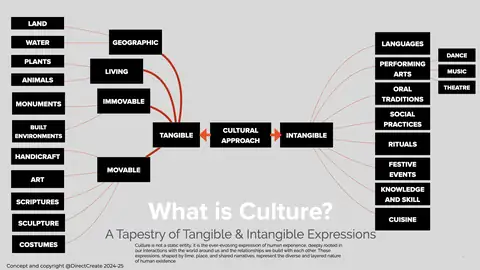
The piece is the first hub essay published under the Culture Stack canon and the relaunch essay of the Future of Tradition cadence. It argues that a place arrives with an identity already composed, that every standard pre-investment reading (title, geotechnical, demographics, underwriting) measures the land and the market while leaving the place itself unread, and that the Culture Stack is the instrument that closes the gap. The essay sets the canonical terms in public for the first time: Field, Finding, Emphasis, Study, Annotation, Commentary, each used as the glossary defines it. It closes on the civilizational stake, naming Cultural Intelligence as the discipline that answers industrial placelessness, with India unusually placed to found it because its cultural layers remain intact and legible.
Key claims#
The first claim is that the cultural reading is the most underpriced data on a parcel; everything else gets measured, the place goes unread. The second claim is that the reading is non-deterministic. The same Findings under different Emphasis resolve into different and equally true identities, demonstrated by the worked Worli and Kokapet mirror reading (built memory at seventeen points against four; geographic weight at thirteen against four). The third claim is that the Study informs and never authors: complete evidence, open meaning, the designer draws the implications. The fourth claim names the inheritance-versus-context distinction: Worli inherits its city’s culture, Kokapet must compose its own from land and arriving community, a city-reading against a parcel-reading.
Companion pieces#
The essay shipped with a LinkedIn carousel spoke carrying the Worli-Kokapet emphasis comparison, with the hub link in the first comment. Two exhibits ran in the essay body, the two-emphases comparison chart and the fields legend.